New Low-Carbon Roof Launches into Production
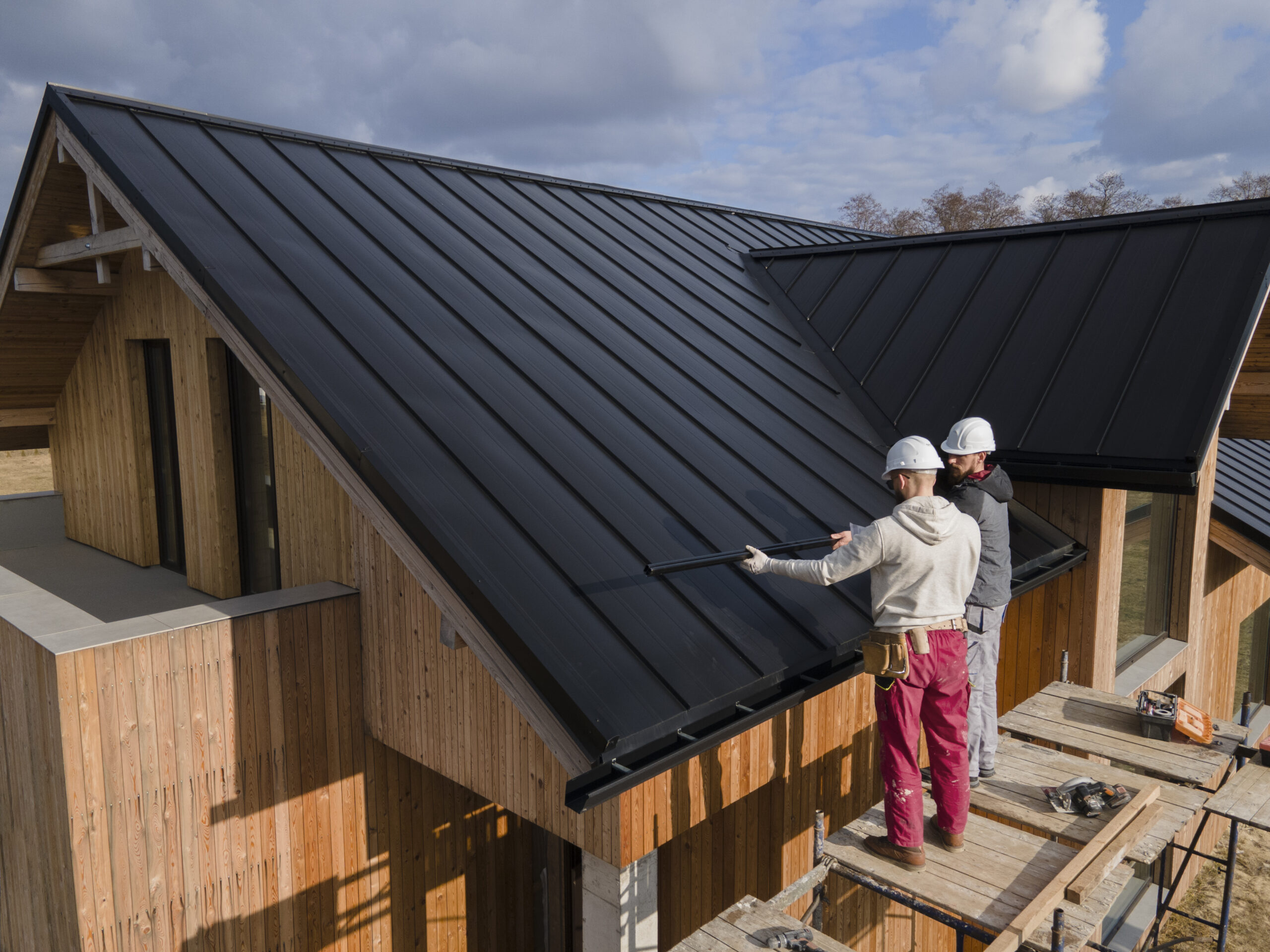
A new concrete roof tile has entered production. It is manufactured by using evoZero concrete. It offers a near-zero carbon footprint through a carbon capture and storage system. But what makes this roofing material so innovative, and how will it influence the construction industry in the future?
The main source: Marley launches low-carbon roof tiles
What does this low-carbon roof offer?
The company captures approximately 400,000 tonnes of carbon emissions per year from its plant in Brevik, Norway. These captured emissions are permanently stored and fully tracked throughout the supply chain. Since carbon capture within the concrete supply chain is still in its early stages, this system enables customers seeking low-carbon materials to access them without the transportation costs and additional emissions associated with shipping materials across the North Sea.
The roof tile manufacturer has adopted this concept for its interlocking concrete roof tiles, which feature a low Global Warming Potential (GWP), an A+ Green Guide rating, and BES 6001 Excellent certification.
How will it influence the construction industry in the future?
The launch of low-carbon roof tiles into mass production will bringht a significant positive impact on the UK construction industry. Firstly, it will help reduce environmental pollution. Secondly, it will contribute to achieving the government’s carbon reduction targets. Thirdly, this production method will help address waste management challenges while creating new employment opportunities.
A carbon capture facility is currently under construction at the Padeswood cement plant in North Wales. The project is designed to capture almost all (approximately 95%) of the carbon emissions produced by the existing cement plant. It`s near 800,000 tonnes per year. The facility is expected to become operational and begin producing evoZero cement in 2029.
Fencyx, as one of the leading wholesale suppliers in the UK building industry, supports this initiative. We are confident that the production of low-carbon roofing materials will help achieve net-zero targets, ease the shortage of construction materials, and create new employment opportunities.