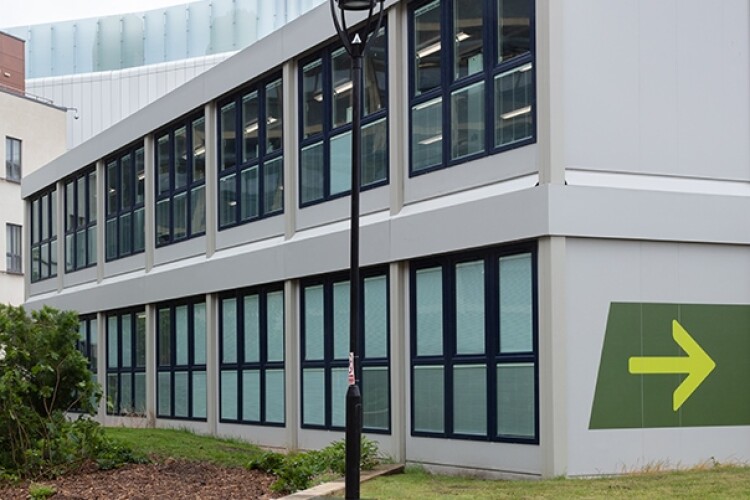
LHC launched a new generation of modular houses and is now looking for customers
LHC Procurement Group is looking for suppliers for the third generation of module houses, MB3. The next generation must replace the current building, MB2, whose service life ends in May 2025. The company also needs suppliers for other projects that may interest potential partners, in addition to building new dwellings.
The main source: Prefab framework up for renewal
What is this product?
If briefly described, MB3 is the next generation of modular houses produced by LHC. The company has been in the UK building market for a long time, and its two previous generations of modular houses successfully recommend themselves. But the term of using the last houses ends in May 2025, so the company needs to present another product.
It`s expected that the project will include education facilities, healthcare settings, emergency services, offices, community buildings, and mixed-use developments.
MB3 partners will provide a full turnkey solution, managing all services required for a project from initial design to final handover. Close to £76m of public sector work has been procured via the MB2 framework to date. Stronger demand is expected for MB3.
Which benefits do these modular houses have?
The main benefit of this modular house is its multi-functionality. There are 4 branches, where this product should be used:
Permanent modular buildings: the design, build, and installation of new permanent modular buildings for the public sector for use by education, offices, community building, and emergency services
Healthcare buildings: the design, build, and installation of new permanent modular buildings for the healthcare sector
Hire of temporary buildings: the hire of temporary modular buildings across the public sectors
Refurbished buildings: the refurbishment of existing modular buildings including those manufactured by a third party.
Shona Snow, LHCPG’s director of product innovation, said: “Our MB3 framework will continue to address the demand we are seeing for offsite construction, which not only delivers projects more efficiently but also brings significant environmental benefits. It will make it easier for public sector clients to procure modular buildings that meet their specific needs across various sectors.”
Read also: British startups have invented a new mega element to make energy much cheaper