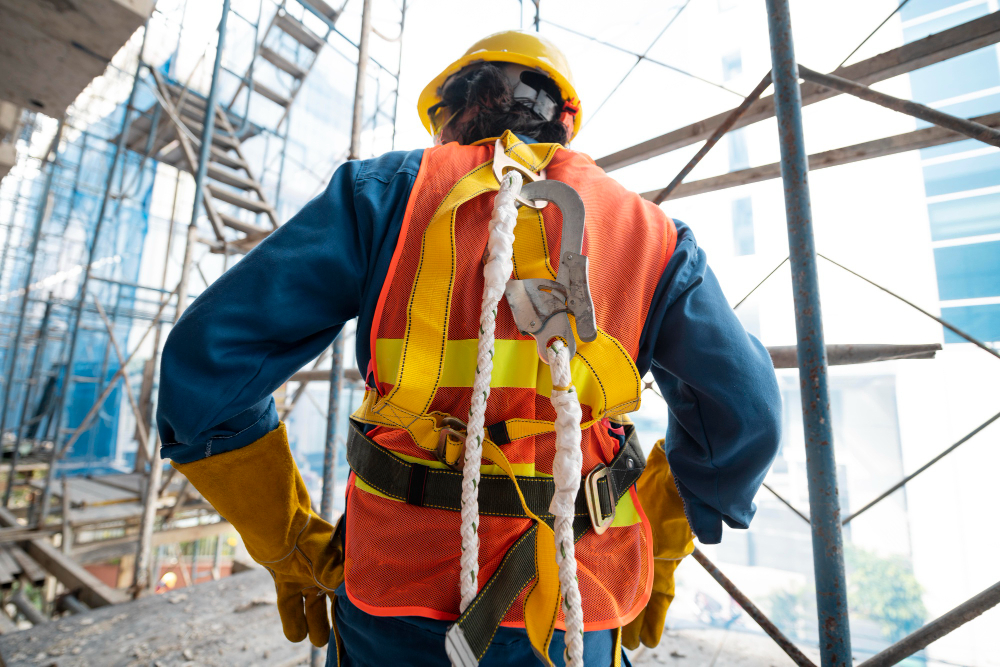
Compliance with safety regulations in the construction industry is a direct aspect of success. Construction is always associated with risks due to its working conditions. Therefore, failure to comply with simple rules can lead to earnest consequences, ranging from loss of life to bankruptcy of the company. So here’s a list of 7 rules that everyone should follow.
Main source: Building a Solid Foundation: The Importance of Safety in the Construction Industry
7 “Golden safety rules” in the construction industry
Preparation and planning
Before starting construction performance, thorough planning is necessary, accounting all possible risks. Identifying potential hazards, developing evacuation plans, and establishing emergency reporting procedures are direct aspects of preparation.
Use of protective equipment
Protective equipment such as helmets, goggles, and specialized clothing reduces the risk of injuries during work. The preparatory stage should include checking the availability and condition of the necessary protective gear.
Training and briefing
Regular training courses and safety briefings help employees understand potential risks and learn how to avoid them. Providing staff with skills in the proper using equipment and safety techniques is a crucial factor in preventing accidents.
Equipment maintenance
Regular inspection and maintenance of construction equipment ensure its reliability and compliance with safety standards. Technical inspections and planned maintenance ensure that the equipment always operates at optimal levels without the risk of accidents.
Organization of the workplace
Cleanliness and order at the construction site help prevent accidents and increase work efficiency. Arranging areas for sorting and storing materials, like pathways for passage and transport, helps avoid inconveniences.
Mutual control system
Establishing a system of mutual control among employees allows for the timely detection and elimination of potential hazards. Mutual checks of workplaces, monitoring compliance with safety rules, and responding to possible deviations are components of a successful safety system.
Adherence to safety rules
All employees must strictly adhere to rules during any work. Applying the correct procedures and adhering to established standards helps prevent accidents.
Conclusion
Compliance with safety requirements in the construction industry is one of the direct aspects of project success. Responsibility for security in the workplace lies with all participants in the process and is a crucial factor in ensuring the stability and development of the construction industry. Fencyx, as one of the market leaders, actively contributes to implement new safety techniques and compliance with existing ones.
Read also: IPA introduces a new framework that allows using of AI on public projects