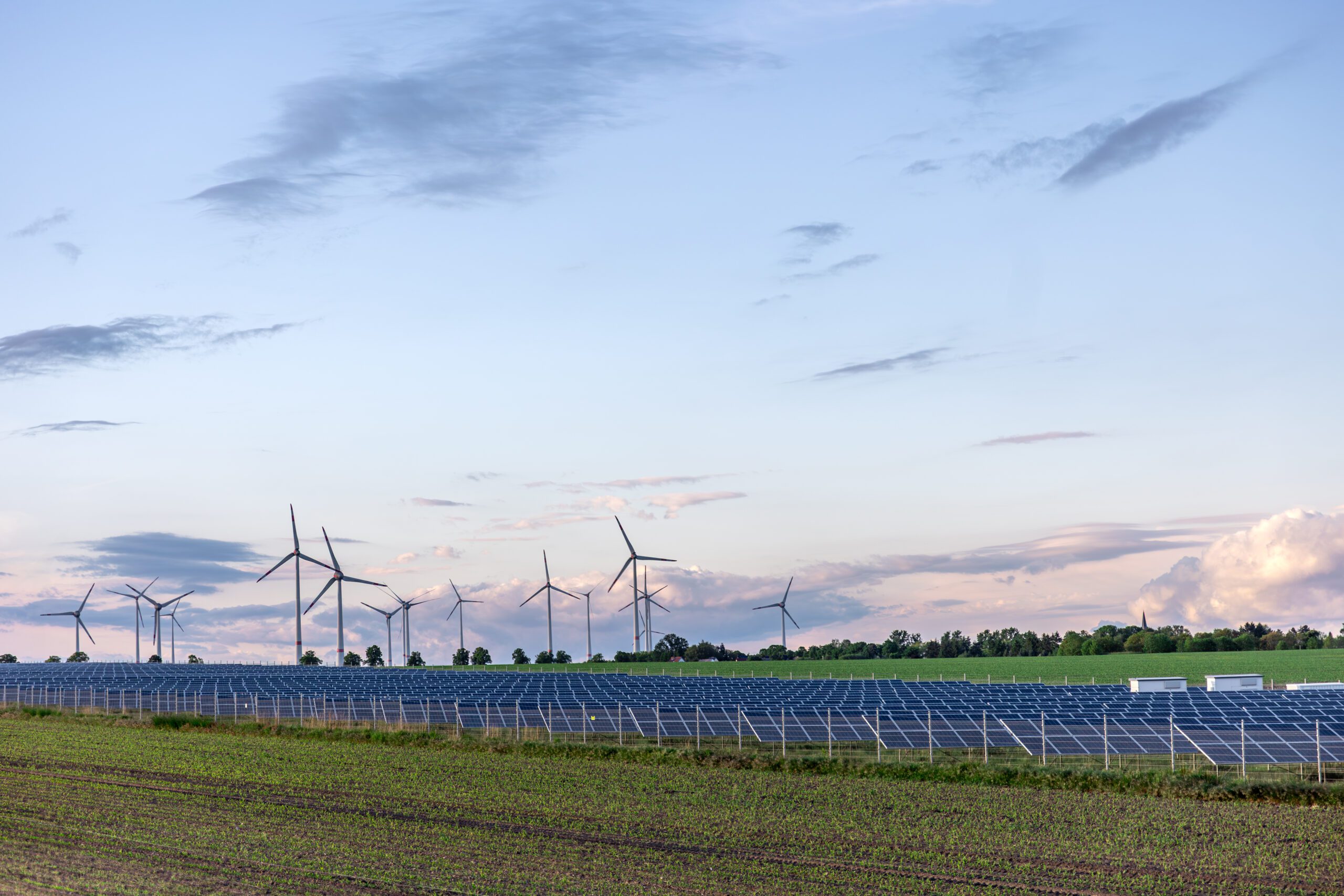
UK Government Bans Morocco-UK Renewable Energy Project
Last Friday, the UK’s Department for Energy Security and Net Zero announced that it was halting the “XLink Morocco-UK” renewable energy project. The decision caused considerable shock, as the £25 billion project was already in the implementation stage. So, what led to the government’s decision, and how will it affect the UK in the near future?
The Main Source: Government blocks Morocco-UK power cable
What Are the Reasons for That Decision?
The official reason given for suspending the project was that it “does not clearly align strategically with the government’s mission to build domestic energy infrastructure here in the UK.” In other words, the government wants such projects to be built exclusively on UK territory. Thereby contributing more directly to the local economy.
For reference, the XLink Morocco-UK energy project aimed to construct solar and wind power plants in the Moroccan Sahara. Then store energy in dedicated batteries. And then transmit that electricity to the UK via high-voltage direct current (HVDC) subsea cables. The project was to be the first of its kind and, if successful, would have been scalable.
How Will the Blockage of the Morocco-UK Renewable Energy Project Influence the UK?
Halting the construction of this project will have mostly negative consequences for the United Kingdom. First of all, XLink would have covered over 8% of the UK’s electricity demand. So it could accelerating progress toward the Net Zero Target. Additionally, the project would have reduced the wholesale price of electricity, which is currently among the highest in Europe. And not to be overlooked, projects of this scale strengthen intergovernmental relations and enhance the UK’s global standing.
Xlinks chair Sir Dave Lewis responded: “We are hugely surprised and bitterly disappointed that the UK government would choose to walk away from an opportunity to unlock the substantial value that a large-scale renewable energy project like this would bring— not least the opportunity to lower the wholesale price of electricity, which is currently one of the highest in Europe. We developed this project to rapidly realise the potential of long-distance electricity generation and connection for the UK and Morocco—potential that was recognised by the UK in 2023, when it was designated as a nationally significant project.”
Fencyx, as one of the leaders in the UK building industry, is disappointed by this decision, yet understands the government’s concerns, and hopes all negative aspects will be addressed so that the project may be relaunched.
Read also: UK Timber Imports Rise for the First Time in Four Years