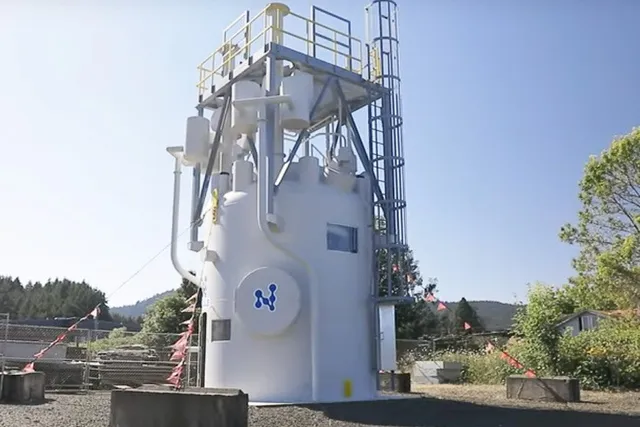
Rolls-Royce signed a contract for building an SMR
Rolls-Royce SMR has officially signed a contract with Great British Energy – Nuclear. Their goal is to supply the first small modular reactors (SMRs) in the United Kingdom. This landmark project marks a major step for the UK’s nuclear energy sector and has strong potential for future expansion. But what exactly does this project represent, and how will it affect the British economy in the future?
The main source: Rolls Royce signs small nuclear plants contract
What does this project present?
Rolls-Royce SMR was chosen as the preferred technology partner last June, with£2.6 billion allocated under the 2025 Spending Review to implement the broader program. The UK’s first SMR project will be built at Wylfa on the island of Anglesey in North Wales. The project is expected to create around 3,000 jobs at peak construction and thousands more across the UK supply chain.
Under this contract, Rolls-Royce SMR is expected to complete key milestones: beginning the design process, engagement with regulatory authorities and site-specific planning -before a final investment decision is made.
In total, three SMR units will be built, each capable of generating enough electricity to power 1 million homes. The project will be delivered by a consortium including BAM Nuttall, Laing O’Rourke and Atkins, working alongside Rolls-Royce SMR.
How will building SMR influence the industry in the near future?
The launch of small modular reactor construction is expected to have a significant positive impact on both the UK construction industry and the wider economy. First of all, it will contribute to the creation of new jobs. It will also lead to increased investment in the construction and energy sectorsand strengthen the UK’s energy independence.
Fencyx, as one of the leaders in the UK building industry, is pleased that the construction of SMRs has already begun. We are confident that this will breathe new life into the UK construction industry and the economy overall.
Read also: Logistics electrification continues to gain momentum